
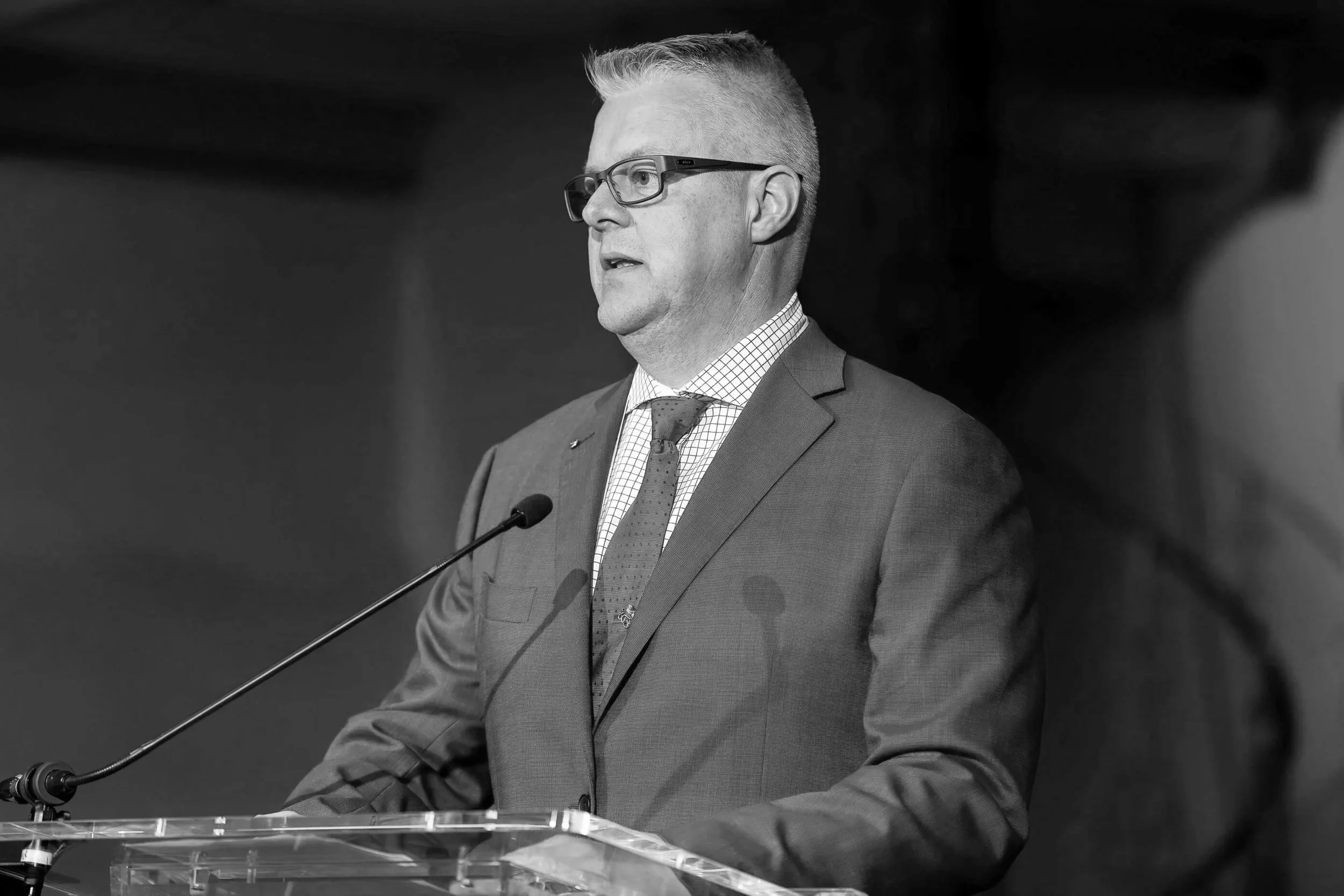
ADVISORY SERVICESFrom Diagnosis to Execution.
Every advisory engagement is built on The Execution Gap framework and designed to help Defence leaders understand what is limiting customer pull, strengthen relevance and create a clear path to growth.

THE WORKHow the Work Unfolds.
The advisory work usually starts with a Relevance Review. Once the diagnosis is clear, it can move into a Growth Pathway. For leaders who need ongoing counsel while carrying the work, Williams Advisory can act as an Advisory Partner.
These are not three disconnected consulting products. They are three ways to apply The Execution Gap framework to a specific business, at a specific stage, with a specific decision in front of it.
Three ways to apply the framework.
01.
Relevance Review
DIAGNOSE FIRST. THEN BUILD THE PATHWAY.A structured diagnostic of where the business is pushing capability at the market, where genuine customer pull exists, and what would need to change for the business to be pulled into the programs that matter.
-
Owner-led Defence SMEs that are technically capable, well-regarded and busy, but not converting that position into the opportunities the owner expected. The business may be growing, but in the wrong shape. It may be plateauing, with the cause unclear. It may have too many opportunities in front of it, and no disciplined way to decide which ones deserve leadership attention.
-
Where are we genuinely relevant?
Where are we only pushing?
Which opportunities deserve leadership attention?
What would need to change for the customer to pull us in?
-
A structured written diagnostic and a clear conversation with the owner and leadership team:
Where genuine customer pull exists, and where the business is only pushing.
A shortlist of opportunities to prioritise, watch or stop.
What has to change for the business to become harder to ignore.
A recommendation on the next step: Growth Pathway, Advisory Partner support, or no further work.
Typical timing: four to six weeks.
02.
Growth Pathway
THE SECOND STEP.A Growth Pathway turns the Relevance Review into a 12 to 24 month execution plan. It is not another strategy document. It is the sequence, owners, decisions and cadence required to make the pathway real.
-
Defence SMEs with a clear diagnosis. Often the owner knows the destination but not the sequence. The board wants a plan that holds up to scrutiny. An investor needs confidence that the growth story is executable.
-
It converts intent into execution, and it prevents the most common SME failure mode: pursuing too many plausible opportunities at once, and under-resourcing the few that would actually change the business.
-
A written 12 to 24 month plan and a working session with the owner, board or leadership team:
The first 90 days, the first year, the second year
Owners, decision points and dependencies
Customer and partner actions
Risks that matter, and risks that do not
The cadence required to keep the pathway alive
Typical timing: six to eight weeks.
03.
Advisory Partner
ONGOING COUNSEL WITHOUT DEPENDENCY.Senior counsel for CEOs, owners, chairs and boards — bringing independent judgement, pattern recognition and challenge when it matters most. The role is to help leaders think clearly, decide confidently and maintain momentum.
-
A CEO or owner carrying a complex Defence growth agenda
A chair or board needing an experienced Defence-industrial voice at the table
An SME moving from founder-led growth to structured execution
A business preparing for investment, acquisition, sale or succession
-
It can take the form of CEO mentoring, advisory board or non-executive style contribution, chair and board counsel, or bounded senior advisory support. The cadence is agreed up front, reviewed regularly, and structured so both parties can end the engagement cleanly.
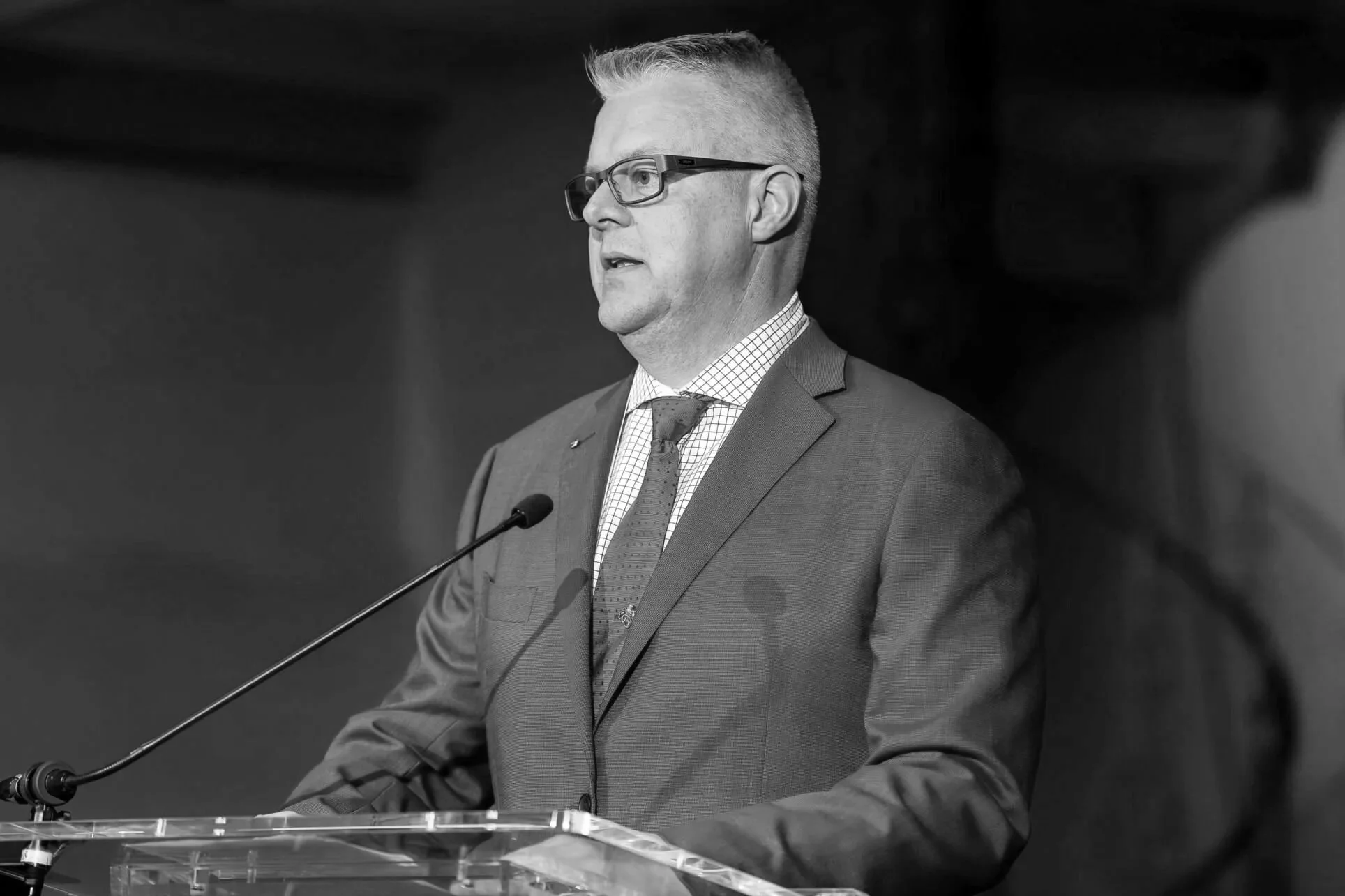
HOW ENGAGEMENTS WORKBounded, practical and decision-led.
Every engagement begins with a clear question, a clear owner and a clear decision that needs to be supported. Four principles hold across all of them:
Start with the decision.
The work is framed around the decision the business needs to make, not a generic consulting process.
Separate activity from traction.
Meetings, relationships and proposals are tested against whether they are changing customer behaviour.
Stay close to execution.
Strategy is connected to owners, cadence, constraints and practical next steps.
Leave the business stronger.
The aim is better judgement and direction inside the business, not dependence on the adviser.
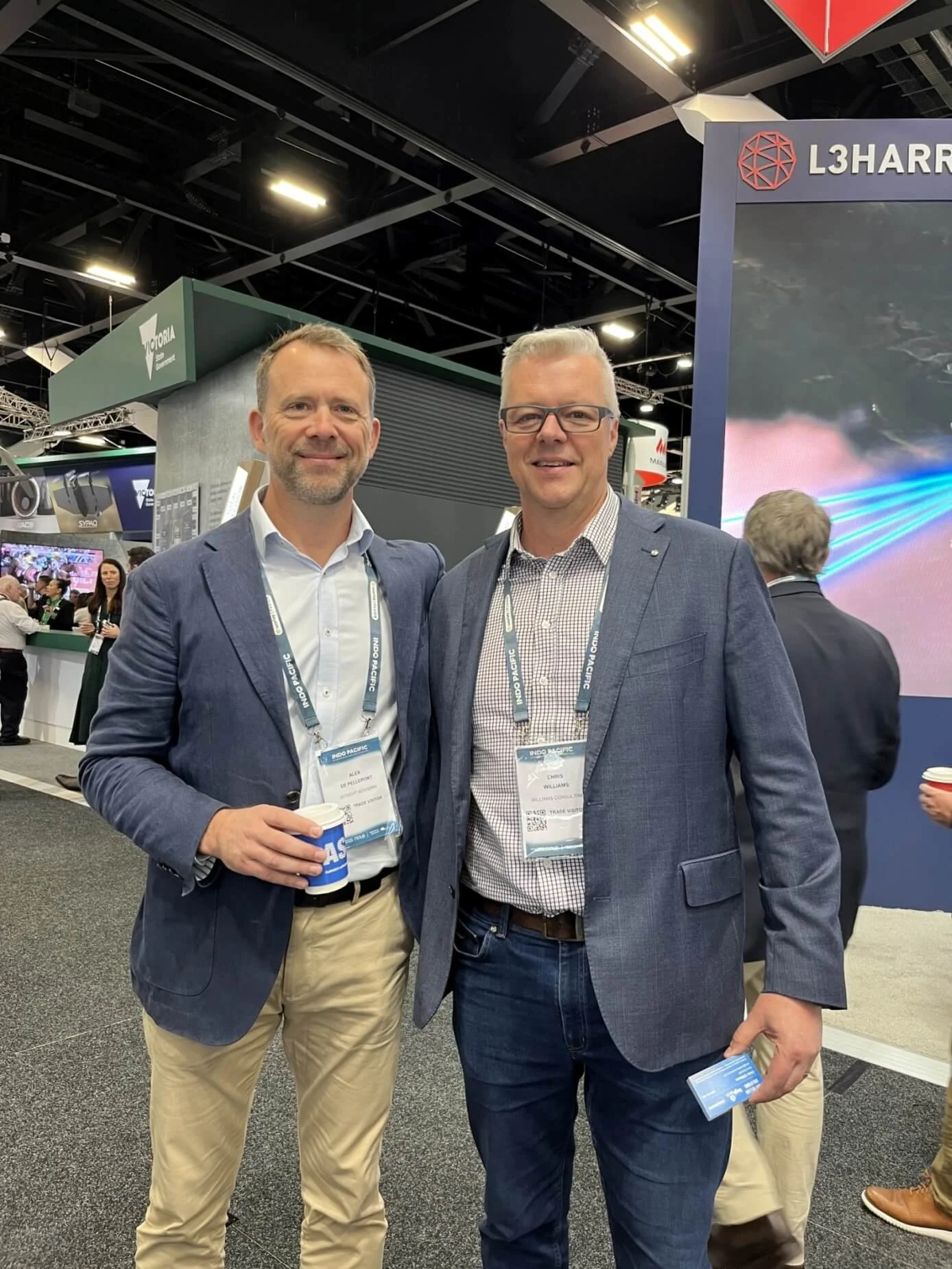
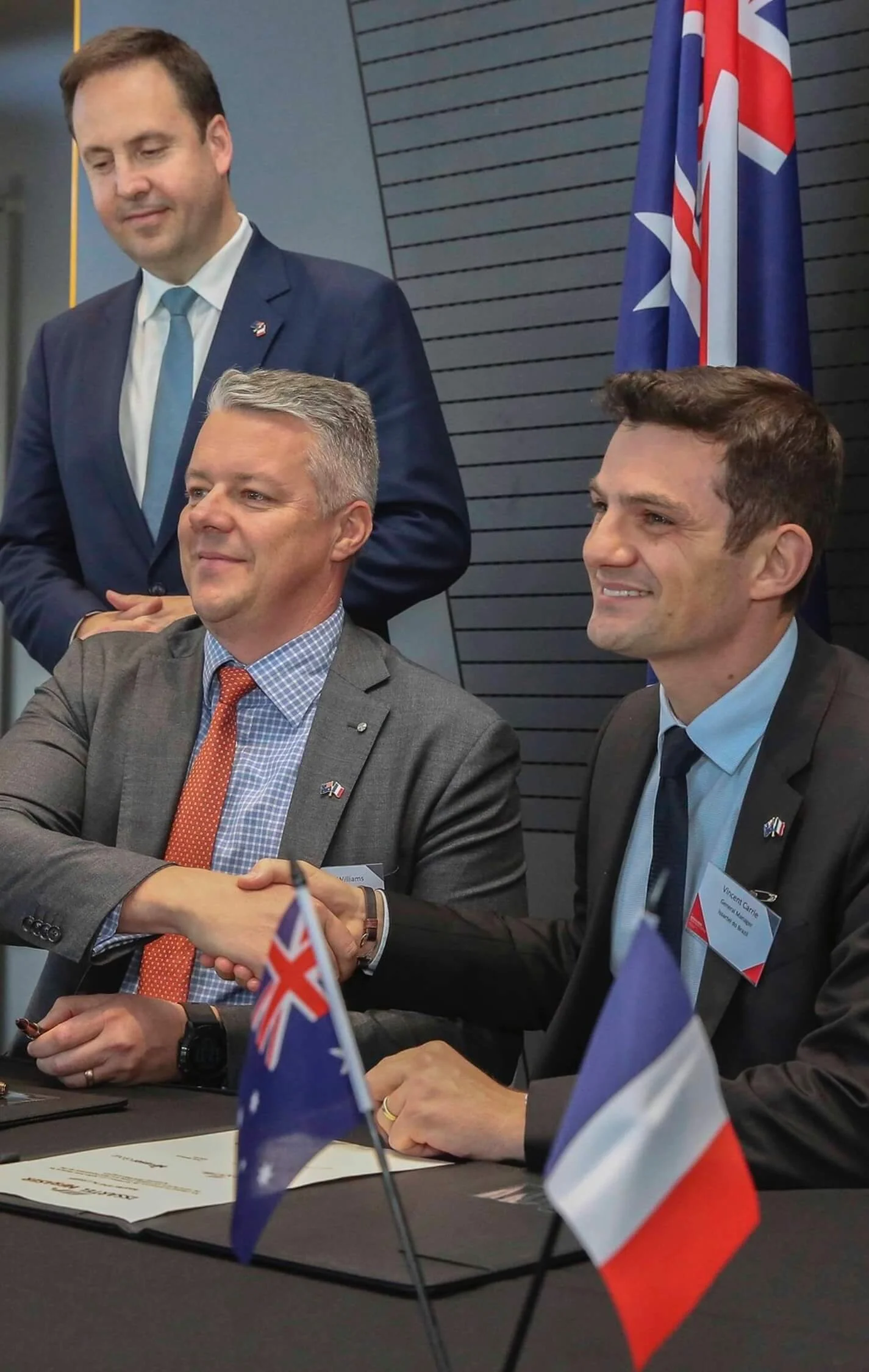
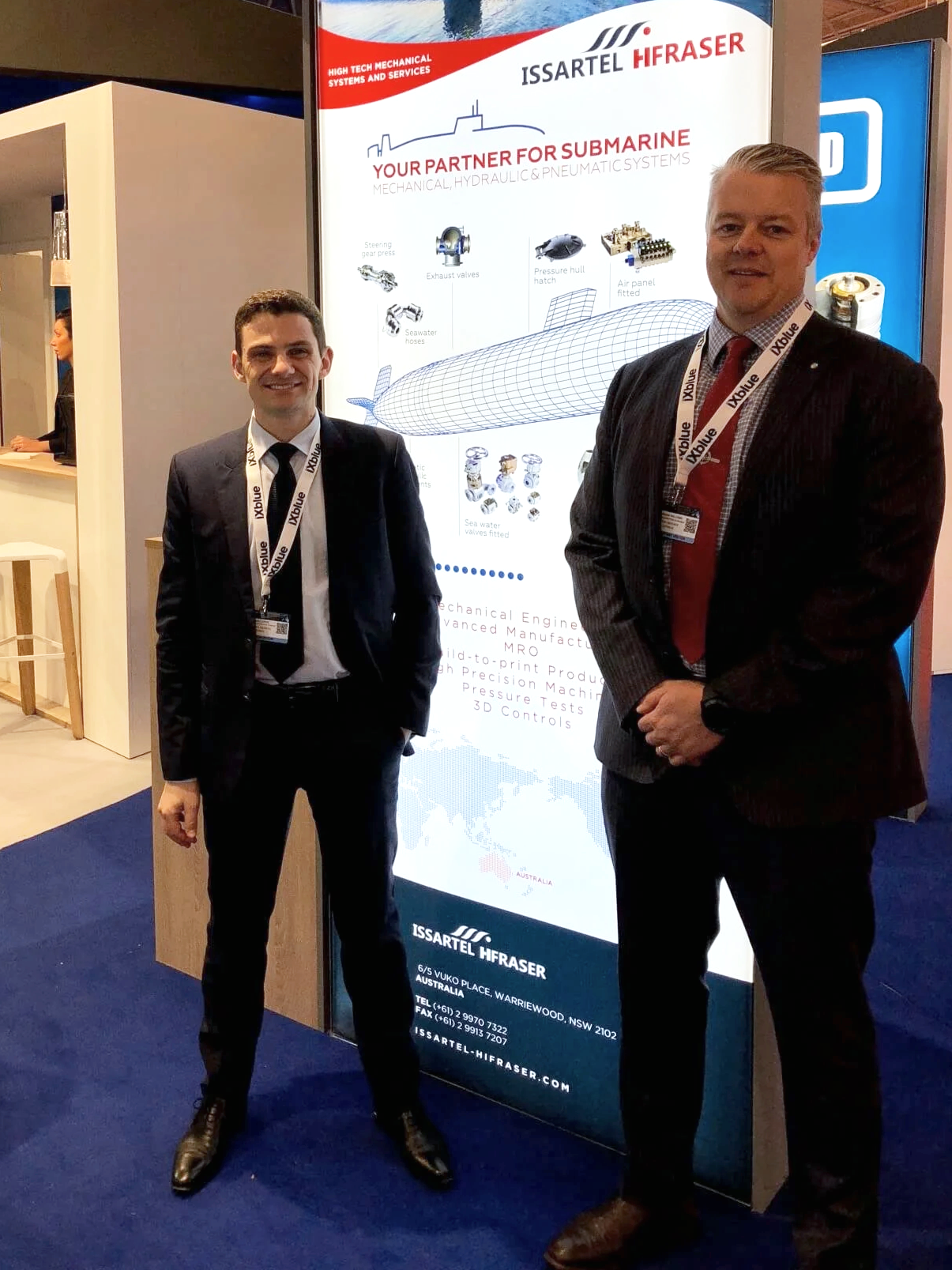
CONNECT WITH CHRISThe First Step Is a Conversation.
If you lead a Defence SME and know the business is capable, but growth is not matching potential, it may be time for an external perspective.
Williams Advisory works with owners, CEOs, chairs and boards to understand what is limiting customer pull, strengthen market relevance and create a practical path to growth. Based in Sydney and working across Australia and internationally, Chris Williams helps leaders turn capability into traction, demand and results.